
Carpenter ants are among the most common pests in homes, and many people worry when they see large black ants crawling around. The first question that comes to mind is simple: are they dangerous?
Do they bite? Can they harm you or your family?
This blog is written for homeowners and renters who want a clear, factual answer. Instead of assumptions, you’ll understand what carpenter ants actually do, how they behave around humans, and when you should be concerned. Just as reliable information helps you make confident decisions about your home, Morospin casino gives adult players a clear and engaging online entertainment experience, designed for convenient play and responsible enjoyment where legally permitted.
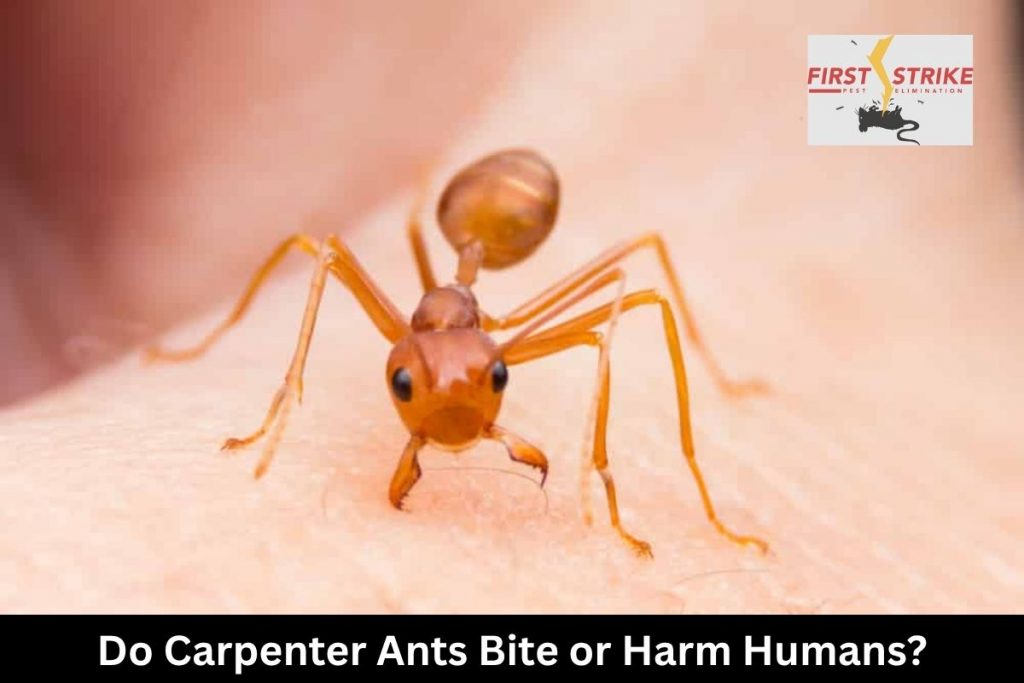
What Are Carpenter Ants?
Carpenter ants are larger than typical household ants and are known for nesting inside wood.
They are commonly found in:
- Wooden structures
- Wall voids
- Damp or decaying wood
Unlike termites, they do not eat wood—but they tunnel through it to create nests.
Do Carpenter Ants Bite Humans? (Direct Answer)
Yes, carpenter ants can bite, but it is not common.
They usually bite only when:
- They feel threatened
- Their nest is disturbed
- They are handled directly
In most cases, carpenter ants avoid human interaction and are not aggressive by nature.
Do Carpenter Ant Bites Hurt?
Carpenter ant bites can cause mild discomfort.
You may feel:
- A sharp pinch at the moment of the bite
- Slight redness or irritation
In some cases, carpenter ants also spray a small amount of formic acid, which can cause a mild burning sensation on the skin.
Are Carpenter Ants Dangerous to Humans?
Health Risk
Carpenter ants are not known to spread diseases. Their bites are usually harmless and do not require medical treatment.
Allergic Reactions
Although rare, some people may experience the following:
- Swelling
- Itching
- Skin sensitivity
These reactions are usually mild and temporary.
Real Concern Is Structural Damage
The bigger issue with carpenter ants is not their bite—it’s the damage they can cause to your home.
They tunnel through wood to create nests, which can weaken the following:
- Wooden beams
- Furniture
- Walls and ceilings
Carpenter Ants vs Other Ants (Behavior Difference)
| Feature | Carpenter Ants | Common Household Ants |
| Size | Large | Small |
| Bite Risk | Low | Very low |
| Wood Damage | Yes | No |
| Aggression Level | Low | Very low |
| Nest Location | Inside wood | Soil or surfaces |
Carpenter ants stand out mainly because of their ability to damage wood.
When Are Carpenter Ants More Likely to Bite?
Bites are more likely in situations like the following:
- Disturbing their nest
- Touching or picking them up
- Handling infested wood
Otherwise, they rarely bite humans.
Signs of a Carpenter Ant Infestation
You may have an infestation if you notice:
- Large ants inside your home
- Piles of wood dust (frass)
- Rustling sounds inside the walls
- Hollow-sounding wood
These signs indicate nesting activity.
Why Carpenter Ants Should Not Be Ignored
Even though they are not dangerous to humans, ignoring them can lead to the following:
- Structural weakening of wood
- Costly repairs
- Larger infestations over time
The damage increases if the colony grows.
Common Myths About Carpenter Ants
- They are highly aggressive → False
- They bite frequently → False
- They are harmless → Partly false (they can damage property)
- They eat wood like termites → False
Understanding these points helps avoid confusion.
What To Do If You See Carpenter Ants
Take these steps:
- Do not ignore repeated sightings
- Check for moisture or damaged wood
- Avoid disturbing nests directly
- Monitor activity patterns
Early action can prevent larger problems.
When to Consider Professional Help
You should consider pest control if:
- You see ants regularly inside your home
- There are signs of wood damage
- DIY methods are not working
- The infestation is spreading
Professional treatment targets the colony, not just visible ants.
Final Thoughts
Carpenter ants can bite, but they are not a serious threat to humans. Their bites are rare and usually harmless.
The real issue is the damage they can cause to wooden structures if left untreated. That’s why it’s important to take action early rather than waiting for the problem to grow.
Call to Action
If you’ve noticed carpenter ants in your home or suspect hidden damage, it’s better to act before the problem worsens.
Contact First Strike Pest Elimination to inspect your property and properly address the issue so your home stays protected.
FAQs
No, they rarely bite unless they feel threatened or are handled.
No, they are usually harmless and cause only minor irritation.
They do not significantly harm humans, but they can damage wooden structures.
It feels like a slight pinch and may cause mild redness or a burning sensation.
No, they are not known to spread diseases to humans.
Seeing one may not be serious, but repeated sightings could indicate a nest nearby.
If you notice frequent activity or signs of wood damage, it’s best to seek professional help.