
Hearing scratching sounds inside your walls can be frustrating and, honestly, a little unsettling. At first, you might ignore it, hoping it goes away. However, rodents rarely leave on their own. Instead, they settle in, build nests, and multiply fast. Before you know it, a small problem turns into a serious infestation that affects your comfort, safety, and even your home’s structure.
So, how do you get rid of rodents in walls quickly? The answer involves more than just setting traps. You need to understand why they are there, where they are hiding, and how they are getting inside. Then, you can take smart, effective steps to remove them and prevent them from coming back. This guide walks you through everything in a clear and practical way. Whether you want a quick fix or a long-term solution, you’ll find exactly what you need right here.
Identify the Signs of Rodents in Your Walls
Before taking action, it’s important to confirm that rodents are actually in your walls. Many homeowners notice scratching, gnawing, or scurrying sounds, especially at night. These noises usually come from mice or rats moving through wall voids and ceilings.
In addition to sounds, you may notice other warning signs. Droppings near baseboards, a strong musty odor, or grease marks along walls are common indicators. Sometimes, you might even see small holes or chewed materials around your home.
The sooner you identify these signs, the better. Early detection allows you to act quickly and stop the infestation before it spreads. Ignoring these clues only gives rodents more time to grow their population.
Find and Seal Entry Points Immediately
Rodents don’t appear out of nowhere. They enter your home through small gaps and openings. Mice can squeeze through holes as small as a dime, while rats need only slightly larger spaces.
Common entry points include gaps around doors, cracks in the foundation, and openings near pipes or vents. Once inside, rodents move into walls where they feel safe and protected.
Sealing these entry points is a critical step. Use materials like steel wool, caulk, or metal mesh to close gaps. At the same time, inspect both the interior and exterior of your home. Blocking access ensures that new rodents cannot enter while you deal with the current problem.
Use Traps for Quick and Effective Results
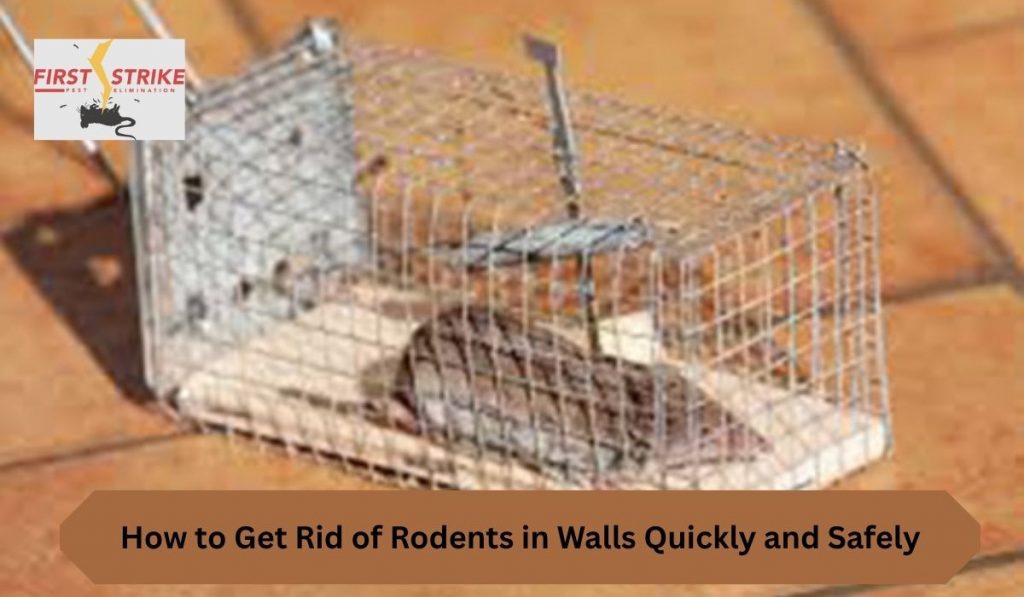
Traps are one of the fastest ways to remove rodents from your walls. Snap traps, electronic traps, and live traps are all effective options. The key is proper placement.
Since rodents are inside the walls, place traps along baseboards, near entry points, or in areas where you’ve noticed activity. Bait them with foods like peanut butter or small pieces of bread to increase effectiveness.
Check traps daily and dispose of captured rodents safely. While traps can reduce the population quickly, they work best when combined with other methods. Relying on traps alone may not solve the entire problem.
Avoid Poison When Possible
Rodent poison might seem like an easy solution, but it often creates more problems than it solves. When rodents consume poison, they tend to die inside walls or hidden areas.
This leads to unpleasant odors that can last for days or even weeks. In addition, poison can pose risks to pets and children if not used carefully.
Instead of relying on poison, focus on safer methods like traps and exclusion techniques. These approaches are more controlled and help you avoid additional issues.
Remove Food Sources to Cut Off Attraction
Rodents enter homes primarily in search of food. If your home provides easy access to food, they have a reason to stay. That’s why removing food sources is essential.
Store food in airtight containers and clean up crumbs and spills immediately. Pay close attention to areas like kitchens, pantries, and dining spaces. Even pet food left out overnight can attract rodents.
By eliminating food sources, you make your home less appealing. Over time, this encourages rodents to leave or prevents new ones from settling in.
Reduce Nesting Opportunities Inside Walls
Rodents don’t just look for food—they also need a place to nest. Inside walls, they use materials like insulation, paper, and fabric to build their nests.
Clutter around your home can provide additional nesting materials. Cardboard boxes, old newspapers, and unused items create ideal conditions for rodents to thrive.
To reduce this risk, keep your home organized and dispose of unnecessary items. If possible, inspect wall voids and attic spaces for signs of nesting. Removing these opportunities makes your home less comfortable for rodents.
Understand Rodent Behavior for Better Control
Rodents are mostly active at night. During the day, they stay hidden in walls or other sheltered areas. This behavior makes them harder to detect and control.
They also follow consistent paths, often traveling along walls and edges. Understanding this pattern helps you place traps more effectively and target the problem areas.
By learning how rodents behave, you can take smarter action. Instead of guessing, you focus on proven strategies that deliver faster results.
Consider Professional Pest Control for Severe Cases
Sometimes, DIY methods are not enough. If the infestation is large or difficult to locate, professional pest control services can provide a more thorough solution.
Experts have the tools and experience to identify hidden nests, remove rodents safely, and seal entry points effectively. They also offer preventive treatments to keep rodents from returning.
While professional help may involve an upfront cost, it often saves time and prevents long-term damage. For persistent problems, it’s a smart investment.
Final Thoughts:
Rodents in your walls are more than just a nuisance—they can damage your home and pose health risks. The key to getting rid of them quickly is a combination of action steps. Identify the signs, seal entry points, use traps, and remove food sources.
At the same time, focus on prevention. Keep your home clean, eliminate nesting materials, and stay proactive. Small changes can make a big difference in keeping rodents away.
If the problem feels overwhelming, don’t hesitate to seek professional help. Taking action now protects your home and gives you peace of mind.
FAQs
How do I know if rodents are in my walls?
You may hear scratching or gnawing sounds, especially at night. Droppings and odors are also common signs.
What is the fastest way to get rid of rodents?
Using traps and sealing entry points is the fastest and most effective approach.
Is it safe to use rodent poison?
It is not recommended, as it can lead to dead rodents inside walls and unpleasant odors.
How long does it take to eliminate rodents?
It can take a few days to a few weeks, depending on the size of the infestation.
Can rodents damage my home?
Yes, they can chew wires, insulation, and wood, causing structural and safety issues.
Do rodents leave on their own?
No, they usually stay as long as food and shelter are available.
When should I call a professional?
If traps are not working or the infestation is severe, it’s best to contact a pest control expert.