
Spiders are a common sight in many homes, yet they still manage to catch people off guard. You might notice one quietly sitting in a corner, or suddenly spot a web stretched across your ceiling. At first, it may not seem like a big deal. However, when spiders keep appearing, it usually means your home is offering exactly what they need to survive.
So, what attracts spiders inside your house? The answer is simpler than most people think. Spiders follow food, shelter, and safe environments. If your home provides these conditions, they will move in and stay. While spiders can help control other pests, no one wants them taking over their living space. The good news is that once you understand what draws them indoors, you can take practical steps to keep them out. Let’s break down the real reasons spiders enter homes and how you can stop them effectively.
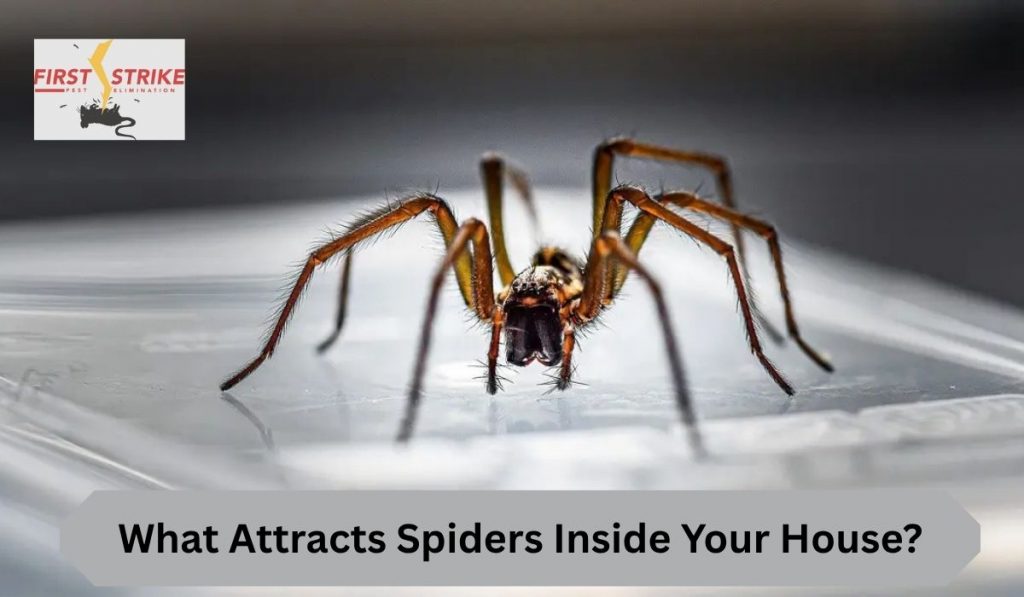
Other Insects Bring Spiders Indoors
Spiders do not enter your home by accident. In most cases, they are following their food source. Unlike other pests, spiders do not feed on crumbs or leftovers. Instead, they hunt insects such as flies, ants, and mosquitoes.
If your home has an existing insect problem, spiders will see it as an opportunity. More insects mean more food, which makes your home highly attractive. Even a small number of bugs can support spider activity over time.
To reduce spider presence, you must first control other pests. Keep your home clean, seal food properly, and eliminate insects. Once their food source disappears, spiders are far less likely to stay.
Cracks and Gaps Allow Easy Entry
Spiders are skilled at finding their way inside. Small cracks, gaps around windows, and openings near doors provide easy access. These entry points often go unnoticed, allowing spiders to enter without any effort.
In addition, spaces around pipes, vents, and cables create hidden pathways into your home. Once inside, spiders quickly search for quiet areas where they can build webs and remain undisturbed.
Sealing these gaps is a simple but effective solution. Use caulk, weather stripping, and proper insulation to block entry points. By doing so, you reduce the chances of spiders getting inside in the first place.
Dark and Undisturbed Areas Provide Shelter
Spiders prefer dark, quiet spaces where they can hide during the day. Your home offers many such areas, including basements, attics, closets, and corners of rooms.
These spaces are rarely disturbed, making them perfect for spiders to settle in. Once they find a suitable spot, they build webs and remain hidden until it’s time to hunt.
Regular cleaning and inspection can help prevent this. Vacuum corners, dust shelves, and check hidden areas frequently. Keeping these spaces clean disrupts spider activity and discourages them from staying.
Outdoor Lighting Attracts Their Prey
Outdoor lights play a bigger role than most people realize. Bright lights attract insects, especially at night. As insects gather near windows and doors, spiders follow closely behind.
Over time, this creates a cycle. Lights attract insects, insects attract spiders, and spiders move closer to your home. Eventually, they find a way inside.
To reduce this effect, consider using yellow or warm-toned outdoor lights, which are less attractive to insects. Position lights away from entry points to minimize the chances of spiders entering your home.
Clutter Creates Perfect Hiding Spots
Clutter inside your home can make it easier for spiders to thrive. Stacks of boxes, unused items, and storage areas provide excellent hiding spots.
These areas are often dark and undisturbed, giving spiders the perfect environment to build webs and lay eggs. The more clutter you have, the harder it becomes to detect and control spider activity.
Decluttering your home is an effective step. Keep storage areas organized and avoid accumulating unnecessary items. A clean, open space makes it harder for spiders to hide.
Warm Indoor Conditions Support Spider Activity
Spiders are sensitive to environmental conditions. During colder months, they often move indoors in search of warmth and shelter. Heated homes provide a stable environment where they can survive and reproduce.
In addition, indoor spaces protect them from predators and harsh weather. This makes your home an ideal place for spiders to settle in.
While you cannot eliminate warmth, you can reduce its impact by combining it with other preventive measures. Proper cleaning, sealing entry points, and controlling insects all work together to limit spider activity.
Neglected Cleaning Leads to Web Build-Up
When cleaning routines are inconsistent, spider webs can accumulate quickly. These webs not only make your home look untidy but also signal a growing spider presence.
Spiders often return to areas where webs have been left undisturbed. Over time, this can lead to increased activity and more visible spiders.
Regular cleaning is key. Remove webs as soon as you see them and vacuum areas where spiders are likely to hide. Consistent cleaning disrupts their habitat and encourages them to move elsewhere.
Open Doors and Windows Invite Them In
Leaving doors and windows open, especially without screens, makes it easy for spiders to enter. They can crawl in unnoticed and quickly find a place to hide.
Even small gaps in window screens can allow spiders to slip through. Once inside, they settle in areas that provide food and shelter.
Installing and maintaining screens is an effective solution. Keep doors and windows closed when possible, and repair any damaged screens to prevent entry.
Final Thoughts:
Spiders enter homes for simple reasons—food, shelter, and safety. By understanding what attracts them, you can take control of the situation. Start by eliminating insects, sealing entry points, and keeping your home clean.
Consistency is the key. Small daily habits, such as cleaning and decluttering, can make a big difference over time. If spider activity continues despite your efforts, professional pest control can provide a more thorough solution.
Take action today and create an environment that spiders don’t find appealing. A clean, well-maintained home is your best defense.
FAQs
What attracts spiders the most?
Spiders are mainly attracted to insects, which serve as their primary food source.
Are spiders dangerous?
Most house spiders are harmless, but some species can pose risks if disturbed.
How can I keep spiders out permanently?
Seal entry points, reduce insects, and maintain a clean, clutter-free home.
Do spiders come out more at night?
Yes, spiders are more active at night when they hunt for food.
Why do I keep seeing spiders in the same place?
They return to areas where they find food and shelter, especially if undisturbed.
Can a clean home still have spiders?
Yes, but the chances are much lower compared to cluttered or insect-prone homes.
When should I call pest control?
If spider activity becomes frequent or difficult to manage, professional help is recommended.