
Termites are silent destroyers. At first, everything looks normal. Then, slowly and quietly, they begin to damage the structure of your home from the inside out. By the time most homeowners notice the signs, the infestation has already caused serious harm. That’s what makes termites so dangerous—they don’t announce their presence. Instead, they work behind the scenes, feeding on wood and weakening your property over time.
So, how do you get rid of termites permanently? The truth is, there is no single quick fix. Permanent termite control requires a combination of inspection, treatment, prevention, and ongoing monitoring. However, when done correctly, you can eliminate termites and protect your home for the long term. In this guide, you’ll learn exactly what works, what doesn’t, and how to take control before the damage gets worse.
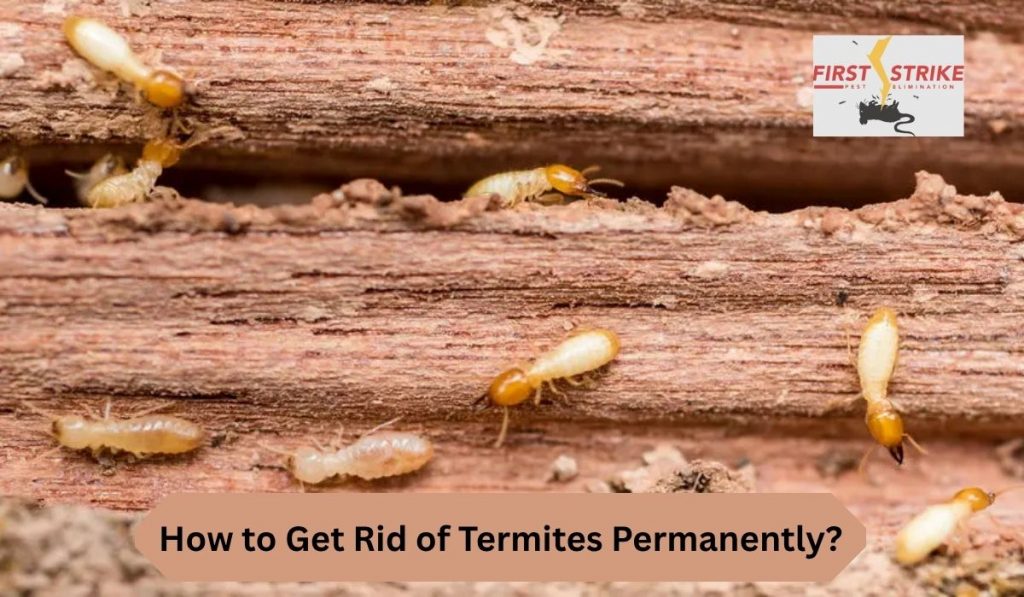
Identify the Signs of a Termite Infestation Early
The first step in permanent termite control is recognizing the problem. Termites often remain hidden, but they leave behind subtle clues. Common signs include hollow-sounding wood, mud tubes along walls, and discarded wings near windows or doors.
In addition, you might notice paint bubbling or wood that appears damaged without any visible cause. These signs indicate that termites are already active inside your home. Acting quickly at this stage can prevent further damage.
Regular inspections are essential. Even if you don’t see obvious signs, checking your home periodically helps you catch infestations early. The sooner you identify termites, the easier it is to eliminate them.
Understand Why Termites Invade Your Home
Before you can eliminate termites permanently, you need to understand why they are there in the first place. Termites are attracted to moisture, wood, and easy access to food sources. Homes with water leaks, poor drainage, or wood-to-soil contact are especially vulnerable.
For example, damp basements, leaking pipes, and clogged gutters create ideal conditions for termites. Similarly, wooden structures that touch the ground provide direct access for these pests.
By addressing these underlying issues, you remove the conditions that attract termites. This step is critical for long-term prevention and ensures that the problem does not return.
Remove and Replace Damaged Wood
Once termites have invaded, they often target weakened or decaying wood. This type of wood is easier for them to consume and tunnel through. Leaving damaged wood in place allows the infestation to continue.
Replacing affected wood is an important part of the solution. It removes active termite colonies and eliminates their food source. At the same time, it strengthens your home’s structure.
When replacing wood, choose treated or termite-resistant materials whenever possible. This adds an extra layer of protection and reduces the risk of future infestations.
Use Effective Termite Treatments
To get rid of termites permanently, you need the right treatment method. Liquid termiticides and bait systems are among the most effective options available.
Liquid treatments create a protective barrier around your home. This prevents termites from entering and eliminates those that come into contact with the treated areas. On the other hand, bait systems work by attracting termites and gradually eliminating the entire colony.
Each method has its advantages, and in many cases, a combination of both provides the best results. Choosing the right treatment depends on the severity of the infestation and the structure of your home.
Seal Entry Points and Protect Your Home
Termites can enter through tiny cracks and gaps in your home’s foundation. Once inside, they quickly spread and establish colonies. That’s why sealing entry points is a crucial step.
Inspect your home for cracks, gaps around pipes, and openings near doors and windows. Use sealants and proper insulation to close these areas. This prevents termites from gaining access in the future.
In addition, consider creating a barrier between soil and wood. Keeping wooden structures elevated and away from direct contact with soil reduces the risk significantly.
Eliminate Moisture to Reduce Attraction
Moisture plays a major role in termite infestations. Termites thrive in damp environments, making moisture control a top priority.
Fix leaks, improve drainage, and ensure proper ventilation throughout your home. Pay special attention to basements, crawl spaces, and areas around plumbing fixtures.
Using dehumidifiers in high-moisture areas can also help. By keeping your home dry, you create an environment that is less attractive to termites.
Maintain Your Yard to Prevent Infestations
Your outdoor environment can directly impact termite activity. Trees, woodpiles, and mulch near your home can serve as starting points for infestations.
Termites often begin in outdoor wood sources before moving indoors. Keeping firewood stacked away from your home and trimming vegetation reduces this risk.
Regular yard maintenance is essential. By creating a clean and controlled outdoor space, you limit the chances of termites reaching your home.
Schedule Regular Professional Inspections
Even after treatment, ongoing monitoring is necessary to ensure termites do not return. Professional inspections provide an extra layer of protection.
Experts can identify hidden activity, assess potential risks, and recommend preventive measures. Their experience allows them to detect problems that homeowners might miss.
Scheduling annual inspections is a smart investment. It ensures that your home remains protected and gives you peace of mind.
Final Thoughts:
Getting rid of termites permanently is not about a single action—it’s about a complete strategy. From early detection to effective treatment and ongoing prevention, each step plays a vital role.
By staying proactive, you can protect your home from costly damage. Simple actions like fixing moisture issues, sealing entry points, and maintaining your property make a significant difference.
If you suspect a termite problem, don’t wait. Acting quickly can save you time, money, and stress. With the right approach, you can eliminate termites and keep your home safe for years to come.
FAQs
Can termites be eliminated permanently?
Yes, with proper treatment and prevention, you can eliminate termites and prevent future infestations.
What is the fastest way to get rid of termites?
Professional treatments such as liquid termiticides and bait systems are the most effective and fastest solutions.
How long does termite treatment last?
Most treatments provide protection for several years, but regular inspections are recommended.
Do termites come back after treatment?
They can return if preventive measures are not maintained. That’s why ongoing monitoring is important.
What attracts termites the most?
Moisture, wood, and easy access points are the main attractants.
Is DIY termite control effective?
DIY methods may help temporarily, but professional treatment is usually required for complete elimination.
When should I call a professional?
If you notice signs of termites or suspect an infestation, it’s best to contact a pest control expert immediately.