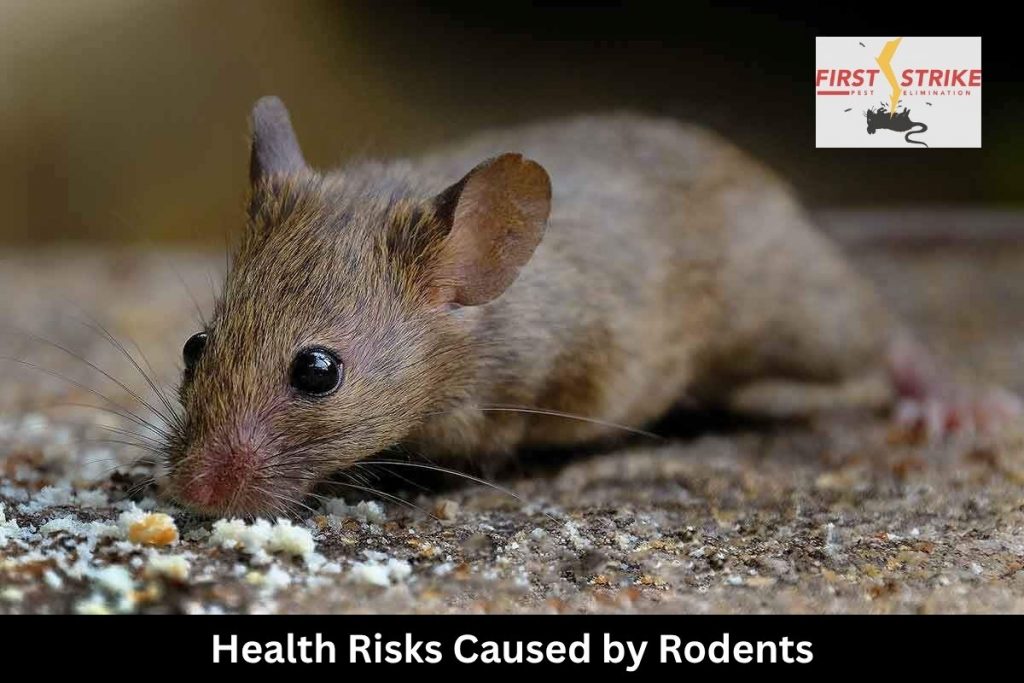
Rodents are more than just a nuisance—they pose serious health risks. From contaminating food to spreading dangerous diseases, rats and mice can create unsafe living conditions in any home.
This guide is written for homeowners, renters, and families who want to understand the real dangers of rodents and how to protect themselves.
Common Rodents Found in Homes
The most common rodents that invade homes include:
- House mice – small, fast, and able to enter through tiny cracks
- Norway rats – larger, ground-dwelling, often in basements or yards
- Roof rats – agile climbers, typically in attics or upper structures
Each type carries its own health risks and behaviors.
How Rodents Affect Your Health
Rodents can impact human health in several ways:
1. Disease Transmission
Rodents can carry and transmit diseases, such as:
- Hantavirus – through urine, droppings, or saliva
- Leptospirosis – from contaminated water or surfaces
- Salmonella – via contact with contaminated food or surfaces
- Rat-bite fever – caused by bites or scratches
These illnesses can range from mild to life-threatening.
2. Allergies and Asthma Triggers
Rodent droppings, urine, and dander can worsen:
- Asthma symptoms
- Allergic reactions
- Respiratory irritation
Even minor infestations can impact indoor air quality.
3. Food Contamination
Rodents frequently contaminate:
- Stored grains
- Pet food
- Kitchen surfaces
They leave droppings, urine, and hair, which can cause illness if ingested.
4. Secondary Pests
Rodent infestations can attract other pests, including:
- Fleas
- Ticks
- Mites
These pests can further increase health risks.
How Rodents Spread Disease
Rodents spread diseases in multiple ways:
- Direct contact – bites or scratches
- Indirect contact – contaminated surfaces, food, or water
- Fleas and parasites – vectors that carry pathogens from rodents to humans
Understanding these pathways is key to preventing infection.
Signs of a Rodent Infestation
Early detection can reduce health risks. Look for:
- Droppings or urine stains
- Chewed wires, furniture, or packaging
- Scratching sounds in walls or ceilings
- Nests made of shredded materials
Frequent sightings or multiple signs indicate a serious problem.
Preventing Health Risks from Rodents
Seal Entry Points
- Close cracks in walls, floors, and foundations
- Install door sweeps and window screens
- Seal gaps around pipes and vents
Maintain Cleanliness
- Store food in sealed containers
- Clean kitchen surfaces regularly
- Dispose of garbage properly and frequently
Remove Water Sources
- Fix leaks and dripping faucets
- Keep sinks and basements dry
- Eliminate standing water
Professional Pest Control
- Inspect your home for rodents
- Target nests and active infestations
- Monitor and prevent future infestations
Professional treatment is often necessary for larger infestations.
Common Mistakes to Avoid
- Ignoring early signs of rodents
- Relying solely on traps or DIY solutions
- Leaving food or water accessible
- Delaying professional help
These mistakes increase both the infestation and health risks.
Why Acting Early Matters
Rodent-related health risks grow as infestations increase. Acting early helps:
- Protect family members
- Prevent disease spread
- Reduce structural damage
- Maintain clean indoor air quality
Final Thoughts
Rodents are more than just pests—they are a real health concern. By understanding the risks, maintaining a clean environment, and acting promptly, you can protect your family and home from illness and contamination.
Call to Action
If you suspect rodents in your home or want to prevent health risks, contact First Strike Pest Elimination. Their professional inspection and treatment ensure your home stays safe and rodent-free.
FAQs
Rodents can transmit diseases like hantavirus, leptospirosis, salmonella, and rat-bite fever.
Yes, their droppings, urine, and dander can worsen respiratory conditions.
They leave droppings, urine, and hair on stored food and kitchen surfaces, which can cause illness.
Rodent bites can transmit rat-bite fever or infections if untreated.
Seal entry points, maintain cleanliness, remove water sources, and consider professional pest control.
Look for droppings, gnawed items, nests, and scratching sounds in walls or ceilings.
If you notice repeated signs of infestation or want to prevent potential health risks, professional help is recommended.