
Wasps can turn a peaceful home into a stressful environment almost overnight. At first, you might notice a few wasps flying around your porch or backyard. Then, suddenly, you spot a nest forming under the roof, inside a shed, or near a window. That’s when concern quickly turns into urgency. Unlike many other pests, wasps are aggressive when they feel threatened, and their stings can be painful—or even dangerous for some people.
So, how do you remove a wasp nest safely at home? The answer is not as simple as knocking it down or spraying it randomly. You need a careful, step-by-step approach that protects you while effectively eliminating the nest. In this guide, you’ll learn exactly how to handle the situation safely, when to act, and when it’s best to call professionals. Let’s walk through everything you need to know to deal with wasp nests the right way.
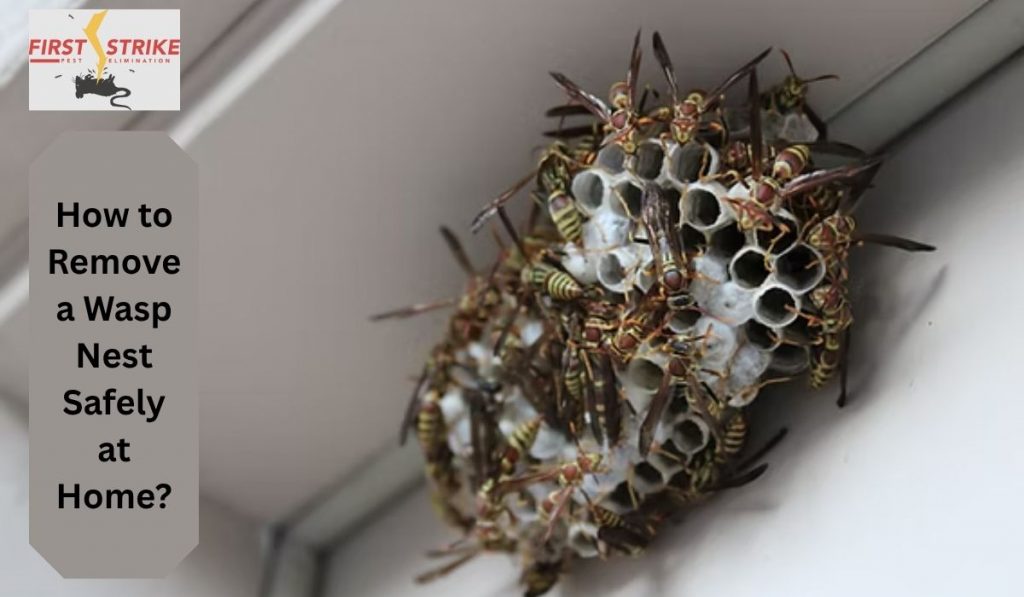
Identify the Type and Location of the Nest
Before taking any action, it’s important to understand what you’re dealing with. Not all wasps behave the same way. Some species are more aggressive, while others are less likely to sting unless disturbed. Identifying the type of nest and its location helps you plan a safer approach.
Wasp nests can appear in various places, including under eaves, inside wall voids, in trees, or even underground. Aerial nests are often visible and easier to access, while hidden nests require extra caution. Observing from a safe distance allows you to assess activity levels without putting yourself at risk.
Take your time during this step. Rushing into action without understanding the situation can lead to unnecessary danger. A clear plan always starts with proper identification.
Choose the Right Time for Safe Removal
Timing plays a crucial role in wasp nest removal. Wasps are most active during the day, especially in warm weather. Attempting to remove a nest during peak activity increases the risk of multiple stings.
The safest time to act is early morning or late evening. During these hours, most wasps are inside the nest and less active. This reduces their ability to respond aggressively.
In addition, cooler temperatures make wasps slower and less likely to attack. By choosing the right time, you significantly improve your chances of handling the situation safely.
Wear Proper Protective Clothing
Safety should always come first. Before approaching a wasp nest, make sure you are fully protected. Even a single sting can be painful, and multiple stings can be dangerous.
Wear long sleeves, thick gloves, closed-toe shoes, and protective eyewear if possible. A hat or hood can also help protect your head and face. The goal is to minimize exposed skin.
While protective clothing reduces risk, it does not eliminate it completely. Always stay cautious and move slowly to avoid provoking the wasps.
Use Approved Wasp Control Sprays
Using the right product is essential for effective removal. Wasp sprays are specifically designed to kill wasps from a safe distance. Most sprays allow you to stand several feet away while applying the treatment.
Aim the spray directly at the nest entrance and surrounding area. This ensures that wasps coming in and out are affected. Follow the instructions carefully and avoid overusing the product.
After applying the spray, step away and allow time for it to take effect. Do not attempt to remove the nest immediately. Patience is key to ensuring your safety.
Avoid Knocking Down an Active Nest
One of the most common mistakes homeowners make is trying to knock down a nest while it is still active. This can trigger an aggressive response from the wasps, leading to multiple stings.
Even if the nest appears quiet, there may still be active wasps inside. Disturbing it too soon increases the risk of attack.
Instead, wait until you are certain that the nest is inactive. This usually happens after proper treatment or during colder seasons when wasp activity declines.
Safely Remove the Nest After Treatment
Once you are confident that the nest is no longer active, you can proceed with removal. Use a long tool, such as a stick or pole, to detach the nest from its location.
Place the nest in a sealed bag to prevent any remaining insects from escaping. Dispose of it according to local guidelines.
Cleaning the area afterward is also important. Remove any residue or attractants that might encourage new wasps to build another nest in the same spot.
Prevent Future Wasp Nests Around Your Home
After removing a nest, prevention becomes the next priority. Wasps are likely to return if your home offers suitable conditions.
Inspect your property for potential nesting sites. Seal cracks, repair damaged areas, and remove food sources such as open trash or sugary spills. Keeping your outdoor space clean reduces attraction.
In addition, consider using decoy nests or natural deterrents. These methods can discourage wasps from settling near your home again.
Know When to Call a Professional
While DIY methods can work for small and accessible nests, some situations require professional help. Large nests, hidden locations, or aggressive wasp species can pose serious risks.
Professionals have the experience and equipment to handle these situations safely. They can also ensure complete removal and provide preventive solutions.
If you feel unsure or unsafe at any point, it’s best to step back and call an expert. Your safety should always come first.
Final Thoughts:
Removing a wasp nest is not just about getting rid of pests—it’s about doing it safely and effectively. By understanding the process, using the right tools, and taking proper precautions, you can handle the situation with confidence.
However, it’s important to recognize your limits. Not every nest should be handled alone. When in doubt, professional pest control services provide a safer and more reliable solution.
Take action early, stay cautious, and focus on prevention. With the right approach, you can keep your home safe and free from wasps.
FAQs
Is it safe to remove a wasp nest by yourself?
Yes, but only if the nest is small and easily accessible. Always take proper safety precautions.
What is the best time to remove a wasp nest?
Early morning or late evening is the safest time, as wasps are less active.
Can wasps return after nest removal?
Yes, if the area is still attractive. Proper prevention reduces this risk.
How far should I stand when using wasp spray?
Most sprays allow you to stand several feet away. Always follow product instructions.
What should I do if I get stung?
Clean the area, apply ice, and monitor for allergic reactions. Seek medical help if needed.
Are wasp nests dangerous?
Yes, especially if disturbed. Wasps can become aggressive and sting multiple times.
When should I call a professional?
If the nest is large, hidden, or difficult to reach, professional help is recommended.